
Key Takeaways
- Predictive analytics helps organizations make more informed hiring decisions.
- Through the use of historical data and trends, this technology facilitates a shift from reactive recruitment to proactive workforce planning.
- Data-driven insights improve efficiency throughout the entire hiring process, from sourcing to onboarding.
- Predictive analytics supports better alignment between candidates and organizational needs.
- Successful adoption relies on balancing technology, data quality, and human judgment.
Healthcare recruitment has always been a high-stakes game. Hiring the wrong clinician or delaying a critical placement impacts much more than just daily operations—it affects patient outcomes as well. Much of healthcare hiring has traditionally relied on reactive strategies and intuition to drive decisions. Today, there’s a new kid on the block: predictive analytics.
By transforming historical hiring data into actionable insights, predictive analytics helps healthcare organizations transition from reactive recruitment to proactive talent strategy. In the face of persistent workforce shortages, this is a breath of fresh air for organizations and recruiters alike.
What Predictive Analytics Means in Healthcare Recruitment
Predictive analytics uses historical data, statistical models, and machine learning algorithms to forecast future hiring outcomes.
Instead of asking:
- “How many candidates applied last quarter?”
It answers:
- “Which candidates are most likely to succeed and stay long-term?”
To achieve a smarter, faster, and more precise hiring process in healthcare recruitment, this involves analyzing patterns across:
- Candidate qualifications and experience
- Performance and retention data
- Time-to-fill trends
- Sourcing channel effectiveness
Predictive analytics turns hiring from guesswork into strategy.
Why Healthcare Organizations Are Adopting Predictive Analytics
There are many benefits for the healthcare industry when it comes to predictive hiring.
1. Addressing Workforce Shortages
Staffing gaps remain an issue for many healthcare organizations. In fact, approximately 77% of nursing homes report moderate to high staffing shortages, often requiring overtime or temporary agency staffing.
Predictive analytics helps these and other types of organizations:
- Forecast demand for roles like nurses and technicians
- Build talent pipelines in advance
- Reduce reliance on last-minute hiring
2. Improving Quality of Hire
Predictive models are able to identify traits shared by high-performing employees and match them with the right candidates.
3. Enhancing Workforce Planning
Predictive tools can analyze trends such as seasonal patient volume spikes, population health changes, and even regional staffing patterns. Because predictive analytics enables proactive recruitment rather than reactive hiring, healthcare leaders can get ahead of demand rather than constantly trying to catch up.
Key Applications of Predictive Analytics in Recruitment
Candidate Success Prediction
By comparing applicants to high-performing employees, predictive models can reduce costly hiring mistakes and early turnover by estimating:
- Likelihood of job performance
- Cultural fit
- Long-term retention
Time-to-Fill Forecasting
Predictive tools can identify roles that are likely to remain open longer so recruiters can not only adjust sourcing strategies early, but allocate resources more effectively as well.
Predictive analytics enables organizations to forecast staffing needs and identify skill gaps, improving long-term workforce planning and reducing burnout risk, according to data from EPRA Journals.
Source Optimization
Not all hiring channels deliver equal results. Predictive analytics can showcase which platforms yield high-retention hires, and which sources waste budgetary resources. Not only does this help reduce cost-per-hire, it helps to improve ROI on recruitment marketing.
Turnover & Retention Insights
Predictive models can flag candidates or roles with higher attrition risk so healthcare organizations can start:
- Refining job descriptions
- Adjusting compensation or expectations
- Improving onboarding strategies
Bias Reduction & Standardization
Predictive analytics focuses on data rather than subjective judgment, which in turn:
- Promotes fairer hiring decisions
- Reduces unconscious bias
- Standardizes evaluation criteria
The Role of Data Integration & Technology
Predictive analytics is best when used in conjunction with systems such as:
- Applicant Tracking Systems (ATS)
- Candidate Relationship Management (CRM) tools
- Workforce planning platforms
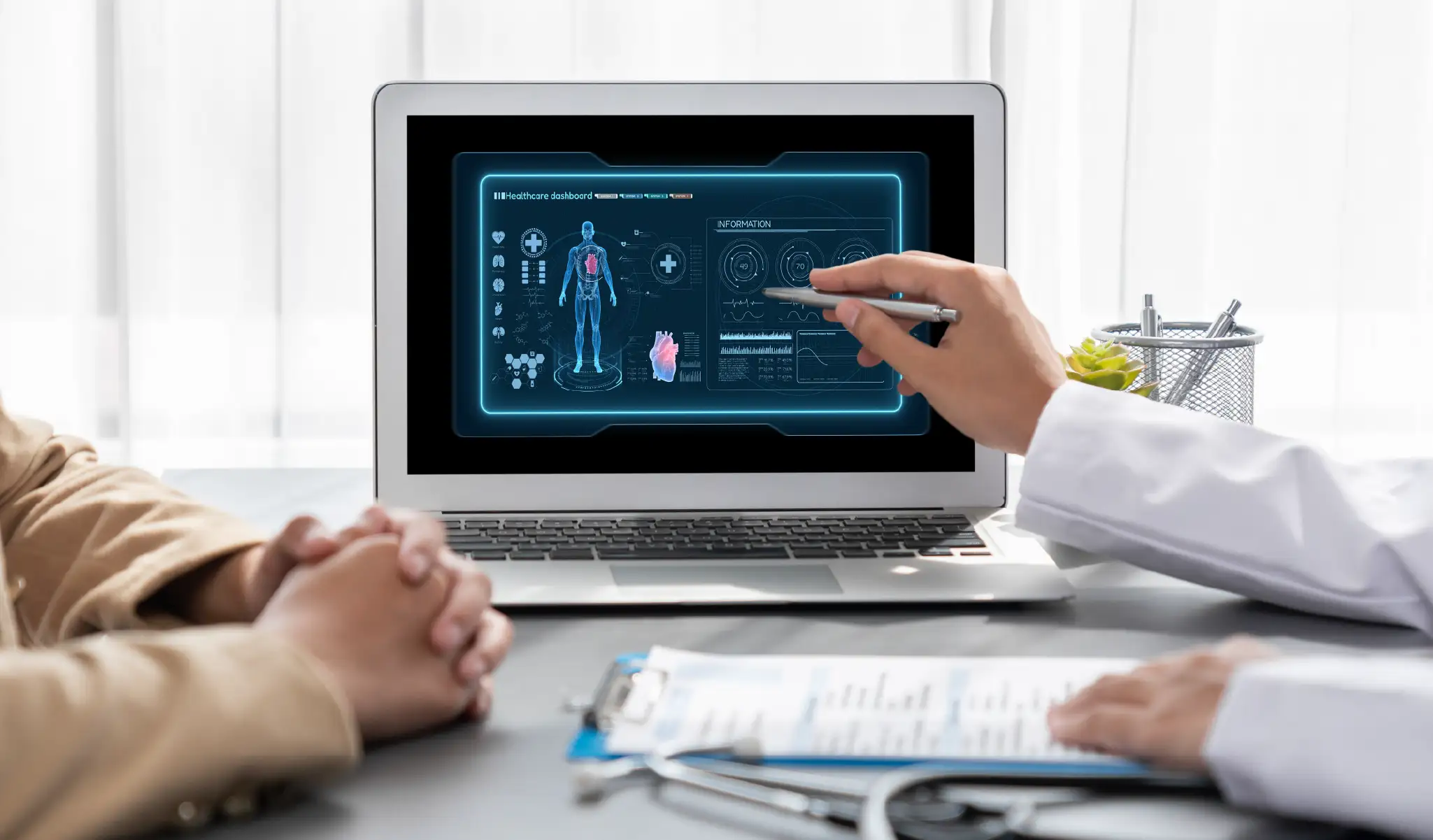
Healthcare organizations can fill in the blanks with dashboards to track anything from cost-per-hire to recruiter performance.
These systems provide real-time visibility into hiring metrics, enabling continuous optimization.
Challenges & Considerations
While predictive analytics brings many benefits, careful planning must be integrated to ensure success. Here are a few of the challenges facing predictive analytics:
- Data quality issues: Poor or incomplete data leads to unreliable predictions.
- Over-reliance on technology: Predictive analytics should support, not replace, human judgment.
- Integration complexity: Many healthcare systems operate with fragmented technologies.
Best Practices for Leveraging Predictive Analytics
For optimal impact, healthcare organizations should:
- Define clear objectives, such as fast hiring processes, better retention rates, or lower costs.
- Invest in data infrastructure so systems can effectively collect, store, and analyze recruitment data.
- Combine human insight with data, using predictive insights to guide decisions rather than replace recruiter expertise.
- Continuously refine models as more data becomes available.
The Future of Healthcare Recruitment
More than just a passing trend, predictive analytics is here to stay. As healthcare systems face increasing demand and workforce shortages, data-driven recruitment will form the foundation of sustainability.
Organizations that adopt predictive analytics today are better positioned to:
- Build resilient talent pipelines
- Improve patient outcomes
- Reduce operational strain
FAQs: Predictive Analytics in Healthcare Recruitment
Q: What is predictive analytics in healthcare recruitment?
A: Predictive analytics uses historical data and algorithms to forecast hiring outcomes, such as candidate success, retention, and time-to-fill roles.
Q: How does predictive analytics improve hiring outcomes?
A: It identifies patterns linked to successful hires, enabling recruiters to prioritize high-potential candidates and reduce turnover.
Q: Is predictive analytics expensive to implement?
A: Costs vary depending on tools and infrastructure, but many organizations achieve ROI through reduced hiring costs and improved efficiency.
Q: Can predictive analytics eliminate bias in recruitment?
A: It can significantly reduce bias by standardizing decision-making, though human oversight remains essential.
Q: What data is needed for predictive recruitment?
A: Common data sources can range from candidate profiles and likely hiring outcomes to performance metrics and retention data.
From Intuition & Insight to Data-Driven Healthcare Recruitment
Healthcare recruitment is evolving from intuition-driven decisions to data-backed strategy, and predictive analytics is at the center of it all. It enables organizations to hire smarter, faster, and more effectively, and for many healthcare providers suffering from staffing shortages and rising demand, leveraging predictive analytics is no longer optional.