
Key Takeaways
- Healthcare organizations are prime targets for cyberattacks due to the high value of patient data.
- Cybersecurity doesn’t just impact compliance or finances, it impacts patient safety.
- Emerging technologies such as AI and predictive analytics can help detect and prevent cyber threats.
- Common threats include ransomware, phishing, outdated systems, and vulnerabilities in connected medical devices.
- Protecting patient data requires a multi-pronged approach: encryption, access control, staff training, and strong governance.
- Cybersecurity is a core component of patient care, not just an IT issue.
- A proactive, risk-based approach helps maintain patient trust and operational resilience in a digital healthcare environment.
Healthcare has set foot into a new digital era that embraces electronic health records (EHRs), telemedicine, wearable health devices, and cloud-based data systems. While these technologies pose several benefits, such as improved efficiency, accessibility, and patient outcomes, they also leave organizations vulnerable to attacks by cybercriminals.
For healthcare organizations and healthcare consultants in Philadelphia PA, it’s important to understand that cybersecurity is no longer an option; it’s vital in protecting patient data. In turn, it directly impacts patient trust and quality care.
Importance of Cybersecurity in Healthcare
Healthcare data is pretty much the most sensitive information that exists, and it deserves to be protected. From medical records and Social Security numbers to insurance details and genetic information, healthcare data is about as private as you can get, and it can fetch a lot of cash when falling into the wrong hands. In fact, according to the American Hospital Association, stolen health records can sell up to 10 times or more than stolen credit card numbers on the dark web.
The consequences of a breach are far-reaching, and they don’t just involve financial losses. A cyberattack may not only shut down hospital systems and delay surgeries, it can block access to life-saving data and compromise medical devices.
On top of that, regulatory compliance under HIPAA (Health Insurance Portability and Accountability Act) requires strict standards for storing, sharing, and protecting patient information, with failure to comply often resulting in heavy fines and reputational damage.
Top 5 Cyber Threats in Healthcare
Some of the most common cyber threats to healthcare organizations include:
- Ransomware Attacks: Hackers encrypt critical files and demand payment to restore access, which disrupts care and leads to costly downtime.
- Phishing and Social Engineering: Deceptive emails or messages trick staff into revealing passwords or downloading malware.
- Insider Threats: Employees or contractors may, either inadvertently or maliciously, expose sensitive data.
- Outdated Systems: Legacy software and unpatched devices are vulnerable entry points for attackers.
- IoMT (Internet of Medical Things) Vulnerabilities: Network-connected monitors, pumps, and wearables can be exploited without proper security.
In a nutshell it’s not a matter of if a threat will arise, but when. That’s why you as a healthcare organization have to protect patient data at all costs.
Ways To Protect Patient Data
A robust cybersecurity defense takes a layered approach that not only protects the people in your organization but the processes and technology used within it.
- Maintain strict access controls: Limit data access to only essential personnel, and incorporate role-based access control (RBAC), strong passwords, and multifactor authentication (MFA).
- Encrypt data: This ensures that even when intercepted or stolen, data is unreadable to unauthorized parties.
- Conduct risk assessments and security audits: Continuous monitoring will help to identify weaknesses early, address them immediately, and maintain HIPAA compliance.
- Train staff: Human error is the top cause of breaches. In fact, human error contributes to 95% of data breaches, according to Infosecurity Magazine.
- Secure medical devices and networks: Apply strict controls on all connected medical devices and make regular updates to firmware.
- Create an Incident Response Plan: Develop a clear plan that can be put into place immediately in the event of a data breach or system outage.
The Cost of Inaction
According to an IBM report for 2025, the global average cost of a single data breach is $4.4 million. This is actually a nine percent decrease over last year thanks to faster identification and containment.
But breaches create more than just financial losses. They can lead to loss of patient trust, lawsuits, and disruptions to care delivery. Plus, cyberattacks can decrease staff morale and retention, diminishing the confidence of both clinicians and patients alike. Maintaining a secure environment is critical in ensuring operational stability.
A Glimpse at the Future of Healthcare Cybersecurity
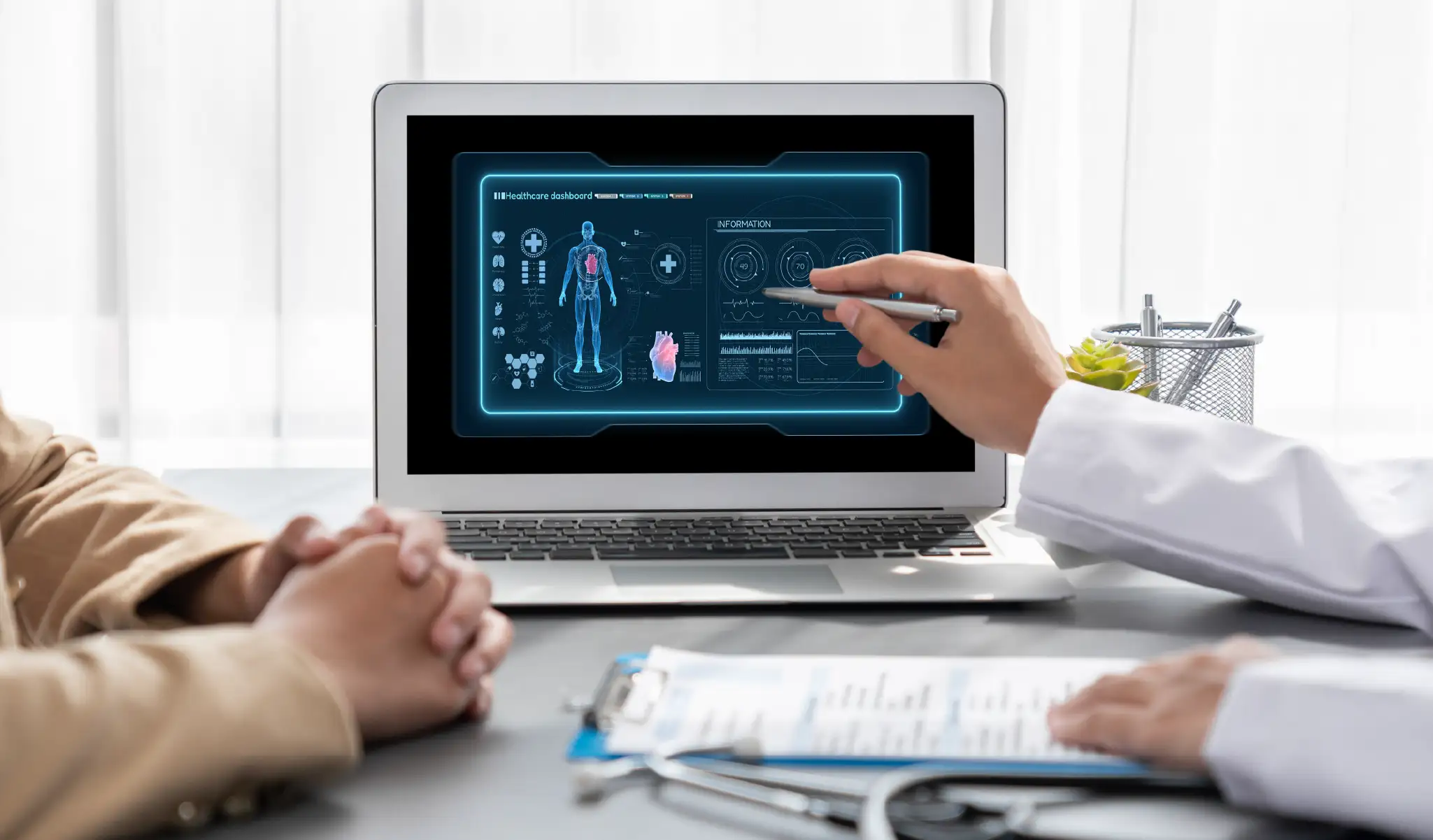
Advanced analytics and artificial intelligence will form the foundation of the future of healthcare cybersecurity. Not only can these technologies detect anomalies and discrepancies, they can automate responses and predict vulnerabilities before they become widespread.
That being said, even more robust approaches will be required as the telehealth industry continues to grow, increasing potential attack surfaces. Proactive planning…staff education…secure digital infrastructure: these should all be investments that healthcare organizations pour money and resources into as we head into 2026.